
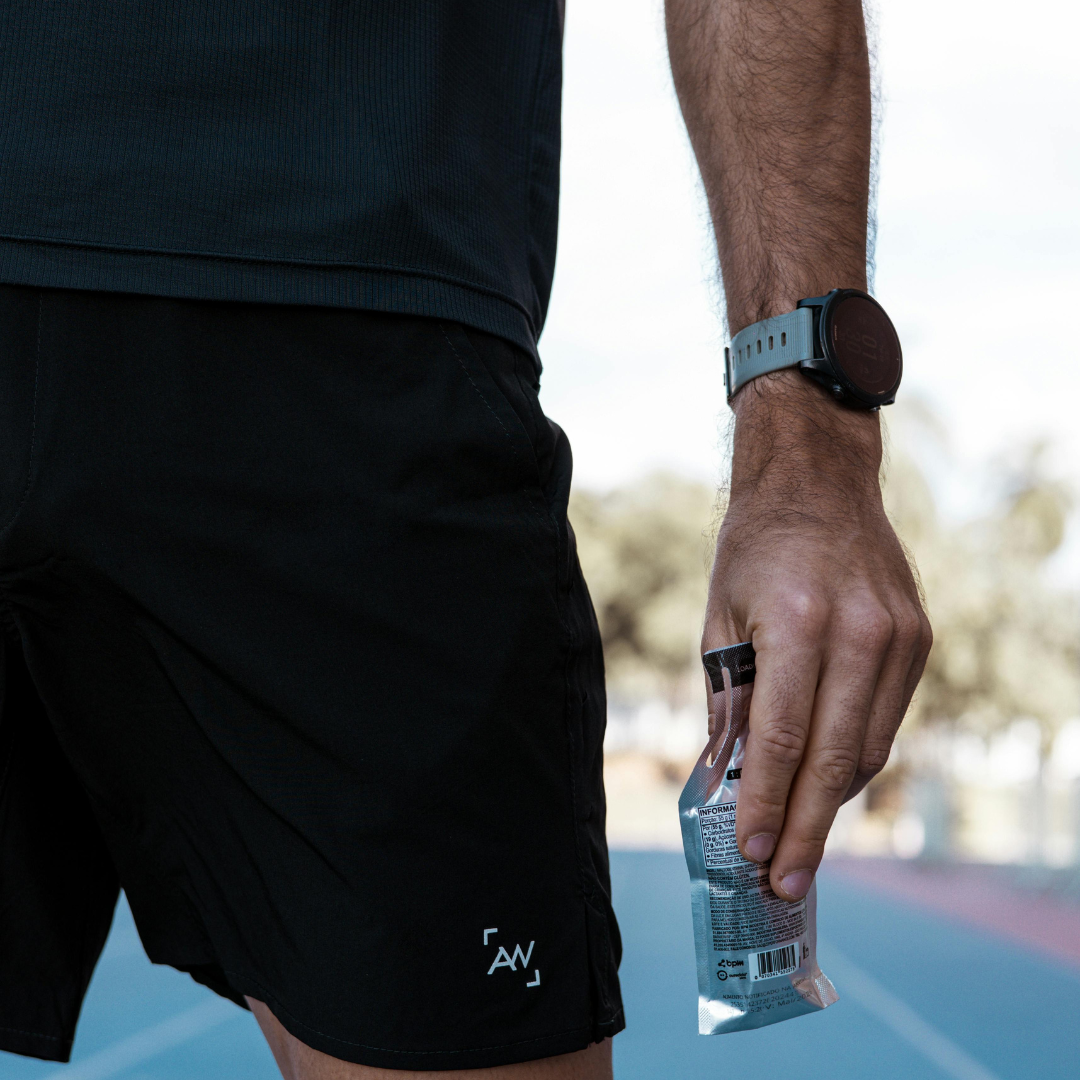
Ensuring peak performance is, of course, a priority for all when engaging in demanding sports. To ensure your body has all the energy it needs during mountain biking, ultra hikes, multisport races, and other challenging activities, it’s vital to have a fast-acting source of energy on hand when you need it most. Energy gels provide the perfect solution for this, but what are they, and why do so many athletes opt for them?
In the guide below, we cover everything you need to know about energy gels and why they’re so useful for extreme sports.
What Are Energy Gels?
Energy gels are edible gels that are designed to be compact yet high in energy. These are rich in carbohydrates and can be consumed quickly for an on-the-go energy boost that you don’t need to stop to have. These come in small pouches for easy carrying and opening, and come in simple flavours to reduce flavour fatigue. Some gels also have added electrolytes and/or caffeine to further boost performance and prevent fatigue.
The Science Behind Why Energy Gels Are So Effective
Your body relies on two sources of energy to power the muscles during exercise: fat and carbohydrates. While fat is readily available in the body, it’s slow to convert into usable energy. Instead, the body prefers carbohydrates for more intense exercise, which are stored as glycogen in the muscles and liver. However, the body can store only a limited amount of glycogen, which is gradually depleted during exercise. As a result, the body needs external carbohydrate sources to maintain peak performance.
This is why energy gels are a favoured choice for athletes, as their carbohydrate-based energy is quickly absorbed and delivered within the body for a fast energy boost when it's needed most.
When to Take Energy Gels
Generally, it’s recommended to take between 30g and 90g of carbohydrates per hour of exercise. Therefore, how often you take your gels will depend on how much energy is contained in a pouch between different brands. Many energy gels contain 30g of carbohydrates, so you should take between one and three gels per hour of exercise to sustain your body with the energy it needs for peak performance, depending on your unique requirements.
How Long Do Energy Gels Take to Kick In?
Energy gels are absorbed quickly, typically taking five to 15 minutes for their energy to be used. Their carbohydrates are swiftly absorbed by the body through the bloodstream, making them an incredibly convenient choice for fast energy when it's needed most.
How Many Energy Gels Are Needed for Cycling and Other Sports?
The amount of energy gels that you’ll need to take while exercising specifically will depend on the intensity and the duration of the exercise you’re performing, as well as your own personal requirements. Additionally, you’ll need to account for the amount of energy in a pouch across different brands. However, the following is a rough estimate.
For cycling, running, hiking, or other endurance sports, the body will first use its own glycogen stores within the first 90 minutes of exercise. After this point, it’s generally best to have one 30g carbohydrate energy gel every 30-45 minutes. As such, this will work out to around two to three gels for a three-hour activity or five to seven gels for a five-hour activity, for example.
Energy Gel Products at Base Camp Food
At Base Camp Food, we have a variety of energy gel products to provide you with all the energy you need to keep your performance at its peak.
Our Precision Fuel & Hydration gels contain a high amount of carbohydrates per sachet, with some variants also including caffeine for an extra boost. In addition, our TORQ energy gels contain optimal blends of maltodextrin and fructose, and also offer their Naked TORQ Energy Gel to reduce flavour fatigue. For those looking for a natural energy boost, our Purendure range offers many options with all-natural ingredients.
If you’d like to find out anything more about our energy gels, our other energy snacks, such as our energy bars and energy sweets, or which options are right for you, we’ll be more than happy to help you out when you get in touch.